

Selecting the ideal Sewage Ejector System Arvada requires a tailored approach considering:
– Property layout & water usage
– Local plumbing codes & regulations
– Professional inspections & guidance
– Data-driven decisions & system comparisons
– Regular maintenance for optimal performance
Key factors include capacity (GPM), noise reduction, ease of maintenance, and reliability. By prioritizing these aspects, homeowners ensure efficient, compliant, and long-lasting Arvada sewage ejector systems.
Selecting the appropriate sewage ejector pump is a critical decision for any property owner or facility manager, especially in areas like Arvada where reliable waste management systems are essential. With various options available, choosing the right fit can be daunting. This article serves as your comprehensive guide, offering insights into the key considerations and factors that determine the selection of an optimal sewage ejector system. By understanding these aspects, you’ll be equipped to make informed choices, ensuring efficient and effective waste handling for your Arvada property.
- Understanding Your Sewage Ejector Needs in Arvada
- Key Features to Consider for Efficient Pumping
- Choosing the Right Type of Sewage Ejector System
- Installation and Maintenance Best Practices
- Ensuring Safety and Compliance with Local Regulations
Understanding Your Sewage Ejector Needs in Arvada
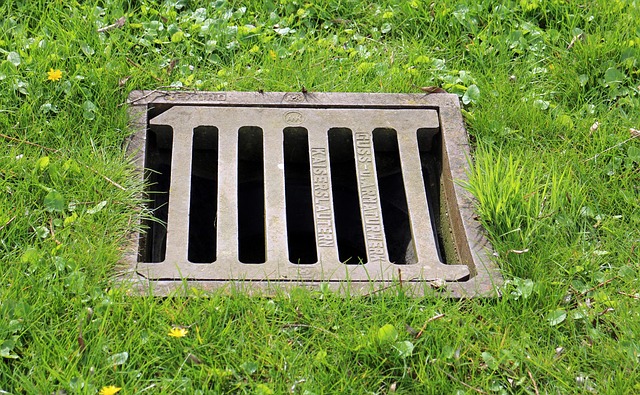
Choosing the right sewage ejector pump for your Arvada property requires a deep understanding of your specific needs. As a resident of this vibrant city, you face unique challenges when it comes to managing wastewater efficiently and effectively. The right sewage ejector system is not one-size-fits-all; it must be tailored to your home’s layout, water usage patterns, and local plumbing codes. For instance, older homes in Arvada may require a more robust ejector capable of handling heavier waste loads due to outdated plumbing systems.
A crucial step in this process involves a meticulous sewage ejector system inspection by a licensed Gas Plumber Arvada expert. These professionals can assess your current setup, identify potential issues, and offer guidance on upgrades or replacements. They’ll consider factors like the depth and distance of the sewer line, the presence of obstructions, and the overall condition of your boiler (if applicable), which is especially relevant for homes with Boiler Installation Arvada systems. Data from local health departments can provide insights into average sewage ejector system failure rates and potential issues specific to the area, further aiding in informed decision-making.
Once you’ve gathered this information, compare different models keeping in mind factors like capacity (measured in gallons per minute), motor power, noise levels, energy efficiency ratings, and maintenance requirements. For instance, a high-capacity ejector might be suitable for larger homes with higher water usage while a quieter model could be preferable for close-knit neighborhoods. Regular maintenance, including periodic flushing and system checks, is vital to ensure longevity and optimal performance of your sewage ejector system, ensuring the health and safety of your Arvada residence.
Key Features to Consider for Efficient Pumping

When selecting a sewage ejector pump, paying close attention to its key features can ensure efficient pumping and minimize issues. One of the primary considerations is the pump’s capacity, measured in gallons per minute (GPM). For instance, a 1/2 horsepower pump typically handles around 7-10 GPM, suitable for smaller residential homes or septic systems. However, larger properties with higher water usage demand more powerful pumps, such as 3/4 or 1 horsepower models, capable of 15-20 GPM or more. In Arvada, where varying climates and soil conditions exist, understanding your specific needs is crucial; consult local professionals for tailored advice.
Noise reduction is another critical aspect, especially in residential areas. Modern sewage ejector systems incorporate advanced design elements to significantly reduce noise levels. For example, some models feature noise-dampening materials within the pump housing, and unique impeller designs that minimize vibrations. These best practices for sewage ejectors not only contribute to a more peaceful living environment but also reflect the manufacturer’s commitment to quality and customer satisfaction. In fact, studies have shown that excessive pump noise can negatively impact property values, making noise reduction a smart investment.
Moreover, considering the ease of maintenance and reliability is essential. Look for pumps with quick-access panels, allowing for simple servicing without extensive disassembly. Some advanced systems even offer remote monitoring capabilities, alerting users to potential issues before they become major problems. For instance, a Whole House Water Filter in Arvada integrated into the ejector system can improve water quality while reducing maintenance needs. Regular filter changes, as recommended by manufacturers, ensure optimal pump performance and longevity. By adhering to these guidelines, homeowners can select a sewage ejector pump that not only meets their current demands but also adapts to future needs, ensuring a seamless and efficient pumping experience.
Choosing the Right Type of Sewage Ejector System

Choosing the right sewage ejector system is a critical decision for any Arvada property owner, ensuring efficient and reliable waste management. With various options available, understanding the unique requirements of your property is key to making an informed choice. This involves assessing factors like drainage systems, building layout, and potential environmental impacts. For instance, a tankless water heater in Arvada, which doesn’t require a separate holding tank, might be suitable for properties with limited space or those aiming for energy efficiency.
Sewage ejector systems can be broadly categorized into two types: gravity-flow and forced-pump systems. Gravity-flow pumps rely on the natural slope of pipes to transport sewage, making them less expensive but more restricted in terms of elevation and distance. Forced-pump systems, on the other hand, use electricity to propel sewage through pipes, offering greater flexibility for complex layouts. These systems are especially beneficial for multi-story buildings or properties with challenging topographies.
Regular inspection and troubleshooting are essential components of maintenance for any sewage ejector system. Common issues may include clogs, pump failures, or tank problems. For example, a simple annual inspection can prevent more serious issues by identifying potential blockages in the lines. When troubleshooting, it’s crucial to follow safety protocols and consult with professionals who understand local regulations, such as those governing water heaters in Arvada. Regular maintenance not only extends the life of your system but also ensures optimal performance and minimizes environmental impact.
Installation and Maintenance Best Practices

When selecting a sewage ejector pump for your Arvada residence, it’s crucial to consider installation and maintenance best practices to ensure optimal performance and longevity of the system. A proper installation is fundamental; misinstallation can lead to inefficient operation, premature wear, and costly repairs. For instance, ensuring the pump is situated at the correct height above the septic tank is essential for effective sewage displacement. In Arvada’s diverse climate, regular maintenance is equally vital to withstand varying temperature extremes and prevent system failure.
One common issue with sewage ejector systems is troubleshooting related to inadequate venting. Improper venting can cause pumping issues and even damage the entire system. Homeowners should verify that the ejector’s vent pipe is securely attached and extended above the roofline, allowing for adequate air flow. Regular inspection of the vent system, including checking for blockages or corrosion, will help prevent unexpected breakdowns. Furthermore, maintaining proper clearance around the pump unit during installation and subsequent maintenance ensures easy access for repairs, making it easier to address any issues promptly.
In addition to meticulous installation and regular inspections, incorporating a Whole House Water Filter in your Arvada residence complements the sewage ejector system. This filter removes contaminants from incoming water, reducing strain on the pump and extending its lifespan. Similarly, ensuring timely Boiler Installation in accordance with local regulations can prevent heat-related issues that might impact the overall efficiency of your plumbing systems, including your sewage ejector. By integrating these practices, homeowners can create a robust, low-maintenance plumbing infrastructure that serves as a reliable foundation for their Arvada homes.
Ensuring Safety and Compliance with Local Regulations

Choosing the right sewage ejector pump is paramount to maintaining a safe and compliant facility, especially in areas like Arvada where local regulations are stringent. Before selecting any system—whether it’s for a Boiler Replacement or Repair in Arvada—it’s crucial to understand that sewage ejectors and lift stations serve distinct purposes and have different applications. A sewage ejector system, for instance, is designed to directly pump wastewater from a lower location to an overhead sewer line, making it ideal for basements or low-lying areas. In contrast, a lift station typically collects and pumps wastewater from multiple sources to a higher elevation, suitable for larger facilities with varied drainage needs.
Safety must always be the top priority when dealing with sewage ejectors. These systems operate in close proximity to sensitive areas like living spaces and require robust engineering to prevent the spread of odors, gases, and contaminants. Look for pumps that have passed relevant safety certifications and include features such as air-tight compartments, reliable sealing mechanisms, and advanced venting systems to ensure minimal risk. Additionally, adhering to local regulations is non-negotiable. For instance, in Arvada, specific guidelines dictate the minimum capacity, efficiency, and noise levels of sewage ejectors, reflecting the city’s commitment to both environmental protection and quality of life for its residents.
Compliance also involves understanding the unique challenges posed by your location and facility. Factors such as water table elevation, soil composition, and climate can significantly impact pump selection. Consult with experts who are familiar with Boiler Repair and Replacement services in Arvada to assess these factors accurately. They can provide valuable insights on the most suitable sewage ejector system, whether it’s a standard model or a customized solution tailored to your specific needs. By prioritizing safety, understanding local regulations, and seeking expert advice, you’ll ensure that your sewage ejector pump operates efficiently, reliably, and in full compliance with Arvada’s standards.
Choosing the right sewage ejector pump for your Arvada property involves a careful consideration of multiple factors. Key insights include understanding specific needs related to your septic system, evaluating crucial features like capacity and head height, selecting the appropriate type of sewage ejector system tailored to your application, adhering to safe installation practices, and ensuring compliance with local regulations. By following these guidelines, homeowners can make informed decisions, invest in reliable performance, and maintain a robust sewage ejector system in Arvada for many years to come.