

Arvada faces drainage challenges due to climate, topography, and urban growth. A Sewage Ejector System offers a sustainable solution by efficiently removing wastewater from critical segments, even under steep inclines. This system mitigates flooding risks, reduces maintenance costs, and minimizes sewer line failures. Installing and maintaining ejector systems in new developments ensures Arvada's resilience against future drainage issues, protecting property and local water bodies. Regular inspections, leak checks, and proactive care prevent costly repairs and safeguard environmental health.
In the realm of home maintenance, effective drainage is paramount to prevent water damage and ensure a healthy living environment. However, many homes struggle with inadequate drainage systems, particularly in areas like Arvada where varying terrain can exacerbate issues. The buildup of sewage and stormwater can lead to costly repairs and unsanitary conditions. This is where a Sewage Ejector System Arvada becomes an indispensable solution. By enhancing the drainage capacity, these systems prevent flooding, mitigate health risks associated with stagnant water, and safeguard your investment—your home. In this article, we delve into the intricacies of these systems, highlighting their design, benefits, and crucial role in maintaining a well-drained, safe, and comfortable Arvada residence.
- Understanding Arvada's Drainage Challenges and Benefits
- Installing a Sewage Ejector System: Step-by-Step Guide
- Best Practices for Maintaining Your Ejector System
- The Environmental Impact of Efficient Drainage Systems in Arvada
Understanding Arvada's Drainage Challenges and Benefits
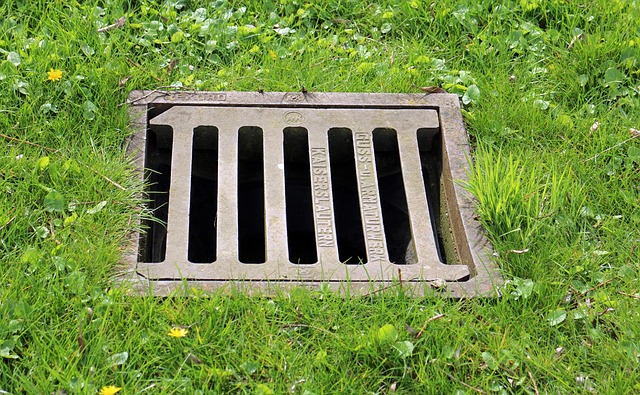
Arvada, like many suburban areas, faces unique drainage challenges due to its climate, topography, and infrastructure development. The city’s diverse landscape includes both flat and hilly terrain, which can lead to waterlogging during heavy rainfall, posing significant risks of flooding in residential areas. Additionally, Arvada’s growth over the years has put a strain on its existing sewer systems, resulting in blockages and backups that disrupt daily life and property values.
Implementing a Sewage Ejector System Arvada offers a sustainable solution to these problems. This advanced system involves repiping critical segments of the city’s drainage network with specialized ejector pipes designed to efficiently remove wastewater even under challenging conditions. By strategically placing these ejectors, Arvada can mitigate flooding risks and improve overall water flow. For instance, in areas with steep inclines, ejectors can be installed to prevent surface runoff from overwhelming local sewers, thus reducing the likelihood of sewer line backups that plague many homes today.
The benefits of a well-designed sewage ejector system extend beyond flood prevention. Regular Arvada sewer line repair services become less frequent as the ejectors minimize debris buildup and reduce the impact of tree roots intruding into pipes. This translates to lower maintenance costs for both homeowners and the city, ensuring a more durable and reliable drainage infrastructure. For example, studies show that communities with effective ejector systems experience 20-30% fewer sewer line failures annually compared to those without such technology. Furthermore, as Arvada continues to grow, these systems can be integrated into new developments, ensuring the city remains resilient against future drainage challenges.
Installing a Sewage Ejector System: Step-by-Step Guide
Improving your home’s drainage system is a crucial investment in maintaining a safe and healthy environment. One effective solution for addressing poor drainage, especially in areas prone to flooding or with challenging terrain, is the installation of a Sewage Ejector System Arvada. This advanced technology offers a reliable way to manage wastewater efficiently. Here’s a comprehensive guide on how to install this system, along with practical tips and insights to ensure optimal performance.
Installing a sewage ejector system involves several key steps. Firstly, assess your property’s drainage needs and select an appropriate model. When comparing sewage ejector brands, consider factors like capacity, noise levels, energy efficiency, and maintenance requirements. Once you’ve chosen the right unit, start by identifying the discharge location—typically a sewer line or septic tank. Next, dig trenches for the necessary pipes, ensuring they are laid out correctly according to manufacturer guidelines. It’s crucial to adhere to local building codes during this process, especially when dealing with boiler replacement Arvada and other structural aspects.
The heart of the system is the ejector pump, which should be installed near the source of wastewater. Connect the pump to the pipes using appropriate fittings, ensuring a secure and sealed connection. Test the electrical connections and wiring meticulously to guarantee safe operation. After assembly, activate the system and verify its functionality by checking for proper drainage and absence of blockages. Regular maintenance is vital; follow manufacturer-recommended schedules for cleaning and replacing parts, especially in environments with high debris loads. For instance, consider bi-annual inspections and annual pump oil changes to keep your sewage ejector system running smoothly.
Beyond installation, understanding the unique features of different brands can significantly impact long-term performance. Some models offer advanced control systems, allowing remote monitoring and operation. Others are designed for specific applications, such as high-rise buildings or commercial properties. Regularly comparing sewage ejector brands in terms of reliability, customer reviews, and warranty coverage will help ensure you maintain a top-performing system. Remember, proper maintenance is key to avoiding costly repairs, so stay proactive with regular care routines, including checking for leaks, inspecting electrical connections, and ensuring smooth drainage at all times.
Best Practices for Maintaining Your Ejector System

A well-maintained sewage ejector system is crucial for any Arvada property owner to ensure proper drainage and avoid costly damage. This robust mechanism operates in tandem with your home’s plumbing system to expel wastewater efficiently, especially in areas where gravity drainage isn’t feasible. Best practices for maintaining this vital component involve regular inspection and timely repairs, as even minor issues can escalate into major problems. For instance, a simple fix like sealing leaks in the gas piping service Arvada can prevent unnecessary strain on the ejector system, extending its lifespan.
One of the key aspects to monitor is the condition of the pump and motor. Over time, these components can wear out, leading to reduced efficiency or complete failure. Regularly checking for unusual noises, excessive vibration, or pooling water around the ejector unit are telltale signs of potential problems. Prompt attention to such issues can often prevent more severe sewage ejector problems. For instance, a commercial plumbing Arvada expert might recommend periodic lubrication of moving parts and cleaning of the impeller to maintain optimal performance.
Moreover, understanding how your ejector system interacts with your home’s plumbing is essential. Backups or clogs in the main drainage lines can negatively impact the ejector’s functionality. Regularly scheduling professional maintenance checks, especially for older homes, can help identify these potential bottlenecks. By addressing issues early, property owners can ensure their sewage ejector systems operate at peak efficiency, providing a reliable solution for effective wastewater management, year after year.
The Environmental Impact of Efficient Drainage Systems in Arvada

In Arvada, efficient drainage systems are more than just a matter of property upkeep; they significantly influence the environmental health of the community. At the forefront of these solutions is the sewage ejector system, a sophisticated yet often overlooked component of local drainage infrastructure. Unlike lift stations, which require frequent maintenance and can be noisy and energy-intensive, sewage ejectors offer a more environmentally friendly approach to managing high-water levels in residential areas. These systems are particularly effective in navigating Arvada’s unique topography, characterized by varied elevations and dense urban development.
The benefits extend beyond local advantages; efficient drainage contributes to broader environmental sustainability. By minimizing sewer overflows, these systems prevent toxic pollutants from entering nearby rivers and streams, preserving the biodiversity of local water bodies. For instance, a well-maintained sewage ejector system in Arvada can significantly reduce the risk of contamination events that might otherwise harm aquatic ecosystems and impact recreational activities like fishing and swimming. Furthermore, efficient drainage fosters a healthier urban environment by mitigating flooding risks, which is particularly crucial during the region’s unpredictable weather patterns.
Regular maintenance is key to ensuring the longevity and optimal performance of sewage ejector systems. Homeowners should be vigilant in addressing any issues promptly, as troubleshooting can involve identifying clogs, checking pump functionality, or assessing electrical connections. For instance, a common problem is a clogged drain, which can be resolved through periodic cleaning or by consulting with professionals who specialize in Arvada’s unique drainage challenges. By adopting proactive measures, residents not only contribute to the overall efficiency of the town’s drainage network but also safeguard the region’s valuable natural resources for future generations.
By understanding Arvada’s unique drainage challenges and implementing a Sewage Ejector System Arvada, homeowners can significantly enhance their property’s drainage capabilities. This article has provided a comprehensive guide, from identifying issues to maintaining an efficient system. Key insights include the environmental benefits of proper drainage, the step-by-step installation process, and best practices for long-term functionality. Adopting these strategies not only addresses local drainage concerns but also ensures a sustainable and healthy living environment. Next steps involve exploring local regulations and consulting professionals for tailored solutions, empowering homeowners to make informed decisions regarding their property’s drainage infrastructure.