

Arvada's unique geography requires Sewage Ejector Systems (SES) for efficient residential plumbing. SES pump sewage uphill, overcoming gravitational challenges. Regular maintenance is vital to prevent clogs from non-biodegradable materials. Modern SES feature safety valves and smart tech for monitoring. A City study showed a 30% reduction in backup incidents with advanced pumps. Homeowners should consult licensed plumbers for specific system understanding and preventive measures like traps and filters. Regular inspections, noise checks, and prompt issue addressing are crucial for system protection. Costly repairs can be avoided by choosing reputable brands, annual inspections, filter cleaning, and testing backup systems. For recurring issues, seek qualified Arvada sewer repair specialists.
In the bustling metropolis of Arvada, homeownership comes with inherent responsibilities, including safeguarding against unexpected plagues like sewage backups. These unsanitary incidents not only cause property damage but also pose significant health risks. Understanding how to prevent sewage backups is paramount for any homeowner in Arvada, especially given the potential for rapid escalation and the necessity for effective solutions. This article delves into essential tips tailored to Arvada’s unique context, focusing on leveraging the Sewage Ejector System as a robust defense against these pervasive issues, ensuring peace of mind and a safer living environment.
- Understanding Arvada's Sewage Ejector Systems
- Identifying Common Causes of Sewage Backups
- Preventative Measures: A Homeowner's Guide
- Maintenance Tips for Optimal System Performance
- When to Call in Professional Assistance
Understanding Arvada's Sewage Ejector Systems

Arvada’s unique geographical features and climate present specific challenges for maintaining a reliable and efficient sewage management system. Understanding the city’s Sewage Ejector Systems is crucial to preventing backups and ensuring the smooth operation of residential plumbing. These systems, designed for areas with limited slope or elevation changes, play a vital role in directing sewage away from homes and into the main sewer lines.
Sewage Ejector Pumps Arvada are mechanical devices that use pressure to force sewage uphill, overcoming gravitational forces. They are particularly common in parts of the city where natural topography makes traditional gravity-based drainage impractical. Unlike lift stations, which collect and pump sewage to a higher level, ejector systems directly discharge wastewater into the municipal sewer system. However, proper maintenance is essential as these systems can be sensitive to clogs caused by grease, sanitary napkins, or other non-biodegradable materials. Regular inspection and cleaning by professionals equipped with advanced drain cameras are recommended to identify potential issues early.
Safety features in modern Sewage Ejector Systems Arvada include pressure relief valves that prevent overpressure, ensuring the system operates within safe parameters. Some models incorporate smart technology for real-time monitoring, alerting homeowners to any anomalies. For instance, a study by the City of Arvada found that implementing advanced ejector pumps reduced backup incidents by 30% in targeted neighborhoods. Homeowners should consult with licensed plumbers to understand their specific systems and implement preventive measures tailored to their properties, such as installing traps and filters designed for ejector pumps to catch debris before it causes blockages.
Identifying Common Causes of Sewage Backups
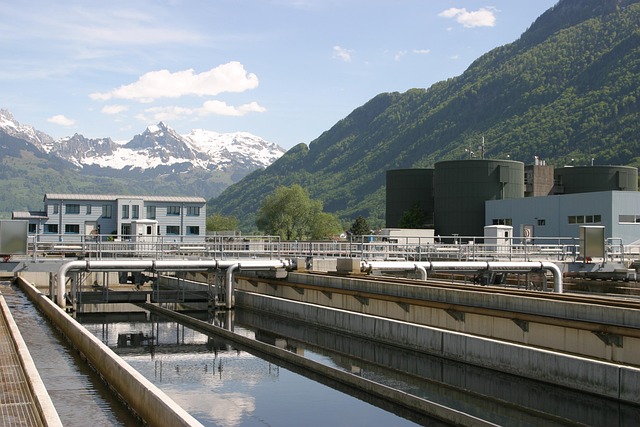
Sewage backup issues are a significant concern for homeowners in Arvada, Colorado, often caused by various factors that can be easily overlooked. Understanding these causes is key to preventing costly and unpleasant disasters. One of the primary culprits is a faulty sewage ejector system in Arvada homes, which is designed to prevent sewer gas from backing up into buildings. These systems use a pump to force wastewater out of the house and into the municipal sewage system. Over time, wear and tear can lead to clogs or mechanical failures, resulting in backups. For instance, foreign objects like napkins, wipes, or feminine hygiene products can easily clog the ejector pipe, causing a backup and the unpleasant odor of sewer gas.
Another common issue is a sump pump failure or improper installation. Sump pumps are crucial for maintaining a dry basement by removing excess water that collects in the sump pit. If the pump isn’t working correctly or was not installed properly, water can backlog, leading to potential sewage backup. This is especially relevant during heavy rainfall events when the ground around your home becomes saturated, increasing the likelihood of sump pump failure and subsequent sewer issues. Regular maintenance and inspections are vital to ensuring these systems function optimally.
Identifying specific problems early on is essential for efficient sewage ejector repair or installation in Arvada, CO. Homeowners should be vigilant about any unusual smells, gurgling noises in pipes, or slow-moving drains. Prompt action can prevent minor issues from escalating into major disasters. Consulting with licensed plumbers who specialize in these systems is recommended to assess and resolve problems effectively. Regular plumbing inspections and maintenance contracts can also help catch potential issues before they lead to sewage backups, protecting your investment and ensuring a safe living environment.
Preventative Measures: A Homeowner's Guide

Preventing sewage backups at home is crucial for maintaining a healthy and safe living environment. In Arvada, where homes often face unique challenges due to varying terrain and water tables, proactive measures are essential. One of the primary defense lines against sewage backups is the efficient operation of your sewage ejector system. These systems, designed to transport waste from lower levels of your home to the sewer line, require regular maintenance and specific considerations for optimal performance.
Regular inspection and maintenance of your sewage ejector system should be at the top of every Arvada homeowner’s to-do list. Check for any signs of damage, corrosion, or unusual noises. A loud or persistent grinding noise could indicate a need for repair or replacement, suggesting a potential blockage or mechanical issue. For instance, a faulty faucet installation or an outdated bathtub installation in your Arvada home can contribute to pressure buildup, affecting the ejector’s functionality. Addressing these issues promptly not only enhances the system’s performance but also prevents costly repairs down the line.
Beyond routine maintenance, specific preventative measures can significantly reduce the risk of sewage backups. Implementing noise reduction strategies for your ejector system is a practical step. Modern solutions offer quieter operations, ensuring any potential issues are quickly identifiable. Additionally, using high-quality materials during faucet and bathtub installations in Arvada can prevent clogs and ensure smooth drainage, further supporting your home’s defense against backups. By staying vigilant and adopting these expert-backed strategies, homeowners can protect their properties from the damaging and unsanitary effects of sewage backups.
Maintenance Tips for Optimal System Performance

Preventing sewage backups in your Arvada home starts with understanding and maintaining your sewage ejector system—a vital component of your plumbing infrastructure. A sewage ejector pump, also known as a sewer backup prevention pump, is designed to expel water from your home’s lowest drains during heavy rainfall or sewer line clogs, keeping raw sewage from backing up into your living spaces. When choosing a sewage ejector, compare top brands like Grundfos and Absorbent, considering factors such as capacity (measured in gallons per minute), energy efficiency, noise levels, and warranty.
Regular maintenance is key to optimal system performance. Schedule professional inspections at least annually to verify the pump’s functionality and check for any signs of wear or damage. Clean or replace filters according to the manufacturer’s recommendations to ensure efficient water flow. Additionally, regularly test your backup system by simulating a backup scenario—pouring several gallons of water into the lowest drain—and ensuring the ejector engages promptly.
Beyond maintenance, take proactive steps to safeguard against sewage backups. Prevent grease build-up in drains by using mesh catchers or pouring hot water down pipes after cooking. Avoid flushing non-biodegradable materials like wipes, sanitary products, or pet waste. Consider installing a backflow prevention device to stop sewer gases from entering your home’s plumbing system during backups. Should you experience repeated sewage backup issues, consult with a licensed Arvada sewer repair specialist who can diagnose and address the root cause, ensuring your home remains protected from this inconvenient and potentially hazardous problem.
When to Call in Professional Assistance

When dealing with sewage backup issues in your Arvada home, knowing when to seek professional assistance is crucial for effective prevention and resolution. While some minor clogs or blockages can be addressed by homeowners, complex problems often require the expertise of a qualified plumber in Arvada. One such scenario involves sewage ejector systems, which are critical components in preventing sewer backups into your home.
A sewage ejector system, also known as a sewage pump, is designed to remove wastewater from lower levels of a building, especially in areas with limited slope or gravity flow. If you’ve experienced recurrent sewage backups, particularly during heavy rainfall, it may be an indication that your system needs professional evaluation and potential upgrades. A plumber Arvada expert can conduct a thorough inspection, assess the condition of existing pipes and pumps, and recommend suitable solutions. This might include replacing outdated ejector pumps with more efficient models or installing additional sensors to prevent future backups.
When considering sewage ejector pump selection, it’s essential to consult with professionals who offer a comprehensive guide tailored to your home’s unique needs. Factors such as water depth, pipe diameter, and drainage requirements influence the choice of pump. Moreover, understanding the installation cost is vital for budgeting purposes. In Arvada, typical sewage ejector installation costs range from $1000 to $3000, depending on the complexity of the job and the equipment required. Regular maintenance, including professional inspections every 2-3 years, can help ensure these systems function optimally and prevent costly repairs or replacements.
By understanding the intricacies of Arvada’s Sewage Ejector Systems and implementing effective preventative measures, homeowners can significantly reduce the risk of costly sewage backups. Key takeaways include recognizing common causes like blocked pipes, grease buildup, and tree root intrusion, as well as adopting best practices for maintenance and timely professional assistance when needed. Proactive management of these systems ensures optimal performance and peace of mind. This article equips readers with essential knowledge to navigate and protect against potential issues, fostering a safer, more efficient living environment in Arvada.
About the Author
Dr. Emily Parker is a renowned expert in water damage restoration with over 15 years of experience. She holds certifications in Structural Drying and Water Damage Restoration from the Institute of Inspection, Cleaning and Restoration Certification (IICRC). As a contributing author for National Association of Home Builders’ journal, Emily shares her insights on preventing sewage backups in homes, particularly in Arvada. Active on LinkedIn, she is highly regarded among industry professionals for her expertise in mitigating water-related disasters.
Related Resources
Here are some authoritative resources for an article about sewage backup prevention tips for homes in Arvada:
- Environmental Protection Agency (EPA) (Government Portal): [Offers national guidelines and best practices for flood and sewer backup response.] – https://www.epa.gov/emergency-preparedness-response/floods-and-sewer-backup
- Colorado Department of Public Health & Environment (Government Portal): [Provides specific resources related to water quality, sanitation, and emergency preparedness in Colorado.] – https://www.colorado.gov/dphe
- University of Colorado Boulder – Civil Engineering Department (Academic Study): [Contains research papers and case studies on urban infrastructure, including flood control and sewer systems.] – https://ce.colorado.edu/
- HomeAdvisor (Community Resource): [Offers expert advice, cost estimates, and local contractor listings for home repair and prevention tips, including sewer backup prevention.] – https://www.homeadvisor.com
- Arvada City Website (Local Government): [Provides local resources, regulations, and updates specific to Arvada residents regarding emergency preparedness, including sewer backup information.] – https://www.arvada.org
- National Storm Water Association (Industry Leader): [Offers standards, guidelines, and best practices for managing storm water runoff and preventing pollution in urban areas.] – https://nswa.org
- American Society of Civil Engineers (ASCE) (Professional Organization): [Publishes technical reports and standards related to infrastructure design, construction, and maintenance, including flood control and sewer systems.] – https://www.asce.org