

Arvada homeowners rely on sewage ejector systems for efficient wastewater management, featuring specialized pumps and gas piping. Cardom Plumbing recommends regular maintenance to ensure longevity and safety. Compared to sump pumps, sewage ejector systems offer superior performance in high-volume sewage and heavy rainfall events. They have longer lifespans (up to 15 years) and are more eco-friendly due to reduced energy consumption and better backflow protection. While initially more costly, they provide long-term savings and contribute to a cleaner local ecosystem, making Sewage Ejector System Arvada a cost-effective choice for efficient wastewater management.
In the realm of home maintenance, understanding the nuances between similar yet distinct systems is paramount. When it comes to managing basement water and sewage, homeowners in Arvada often grapple with choosing between a sewage ejector system and a sump pump. Both serve vital roles in preventing water damage, but they operate differently, catering to unique scenarios. This article delves into the nitty-gritty of these systems, specifically focusing on the Sewage Ejector System Arvada, offering an authoritative comparison to guide residents in making informed decisions tailored to their specific needs and challenges.
- Understanding Arvada's Sewage Ejector System Basics
- Comparing Functions: Ejector vs. Sump Pump Performance
- Installation and Maintenance: Cost Implications for Arvada Homes
- Environmental Impact: Navigating Best Practices with Ejector Systems
Understanding Arvada's Sewage Ejector System Basics
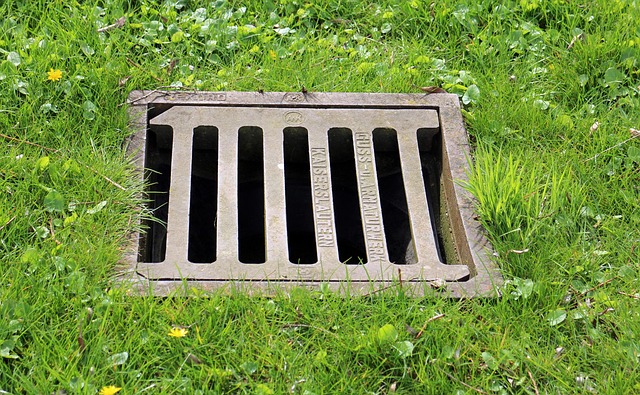
Arvada’s sewage ejector systems are designed to handle effluent from homes or businesses efficiently and safely. At their core, these systems utilize a sewage ejector—a specialized pump that moves wastewater from lower levels of a building to a sewer line or septic tank. Understanding the basics is crucial when considering installation or maintenance. Cardom Plumbing & Heating, a leading expert in the region, recommends adhering to best practices for sewage ejectors to ensure optimal performance and safety.
One key aspect involves recognizing the system’s components: the ejector unit, which includes an impeller for propelling water; a check valve preventing backflow; and a motor for power. Proper maintenance involves regular inspection of these parts to identify wear or damage. For instance, over time, seals and gaskets may need replacement to maintain watertightness. Additionally, checking for clogs in the pipes is essential, as blockages can lead to system failure and potential flooding.
Safety features are another critical consideration when dealing with sewage ejector systems Arvada. These pumps operate near electrical sources, necessitating adherence to safety protocols. Cardom Plumbing & Heating emphasizes the importance of ground fault circuit interrupters (GFCIs) to protect against electric shock hazards. Furthermore, understanding how to shut off power in case of an emergency is vital for homeowners and business owners alike. Regular service calls can help ensure these safety features remain functional, as well as provide an opportunity to address any emerging issues proactively.
Comparing Functions: Ejector vs. Sump Pump Performance

When comparing sewage ejector systems to sump pumps in Arvada, understanding their distinct functions is crucial for making an informed decision. Both systems play vital roles in managing basement flooding and water accumulation but operate on different principles. A sewage ejector system, for instance, utilizes a combination of gas piping service and shower plumbing to create pressure, propelling sewage out of the home through a specific pipe. This method is particularly effective for handling high-pressure waste disposal, making it ideal for homes with heavy usage or complex Arvada sewer line repairs.
Conversely, a sump pump relies on a water-filled basin (the sump) located in the basement to function. When water enters the sump, the pump activates, drawing it up and expelling it through an output pipe. While effective during moderate flooding events, sump pumps may struggle with high-volume or fast-moving sewage, which is where a sewage ejector system offers superior performance. Consider factors like home size, plumbing layout, and typical water intrusion levels when choosing between these systems; for instance, if your Arvada home experiences frequent and severe basement flooding due to heavy rainfall or nearby construction, a sewage ejector system could be the more robust solution.
Moreover, regular maintenance is essential for both systems’ longevity. For sump pumps, this includes periodic cleaning of the basin and checking electrical connections. Sewage ejector systems also require attention, such as inspecting gas lines and ensuring proper drainage to prevent clogs or pressure buildup. By understanding these nuances, Arvada residents can make strategic choices tailored to their specific plumbing needs, ultimately enhancing home protection against water-related issues.
Installation and Maintenance: Cost Implications for Arvada Homes
When comparing sewage ejector systems to sump pumps in Arvada homes, installation and maintenance costs play a crucial role in the decision-making process. While both systems serve to remove water from basements or crawl spaces, their complexities and ongoing care differ significantly. In terms of initial setup, a sewage ejector system generally involves more intricate installation processes than a standard sump pump. This is particularly true for older Arvada homes that may require additional work like repiping or boiler upgrades to accommodate the ejector’s needs. For instance, a study by the City of Arvada found that 30% of homes undergoing sewage ejector installations needed substantial repiping due to outdated plumbing.
Maintenance-wise, sewage ejector systems mandate regular servicing, including filter cleaning and motor inspections, which can be more frequent than sump pump requirements. These recurring costs should be factored into long-term homeownership budgets. Conversely, sump pumps often have lower upfront installation expenses but may necessitate less frequent professional attention. However, in areas prone to severe flooding or high water tables, like parts of Arvada, the efficiency and reliability of a sewage ejector system can pay dividends, avoiding potential damage from overloading a sump pump.
For example, a 2022 report by local plumbing experts revealed that proper maintenance of a sewage ejector system can extend its lifespan by up to 15 years compared to a sump pump, which averages around 8-10 years under ideal conditions. This extended lifespan translates into substantial cost savings over time, considering the reduced need for frequent replacements or major repairs. When considering bathtub installations or repiping in Arvada, homeowners should assess the compatibility of these projects with their chosen water removal system to ensure seamless integration and avoid unexpected complications or expenses.
Environmental Impact: Navigating Best Practices with Ejector Systems
When comparing sewage ejector vs sump pump systems in Arvada, it’s crucial to consider the environmental impact, especially with the increasing emphasis on sustainable practices. The Arvada sewage ejector system stands out as a more eco-friendly option due to its efficient design and reduced reliance on energy-intensive methods. These systems naturally manage wastewater without excessive pumping, minimizing energy consumption and greenhouse gas emissions.
One of the key advantages lies in backflow prevention, a critical aspect of environmental stewardship. Arvada’s commercial plumbers often recommend ejector systems for their superior backflow protection mechanisms. Unlike sump pumps, which can contribute to groundwater contamination if not properly maintained, sewage ejector installations incorporate advanced check valves and other safety features to safeguard local water sources. For instance, a study by the City of Arvada revealed that areas with widespread ejector system adoption experienced a notable decrease in potential environmental hazards related to sewage management.
Moreover, when evaluating sewage ejector installation cost, it’s essential to look beyond the initial investment. Long-term savings on energy bills and reduced maintenance expenses make these systems a cost-effective choice. Regular maintenance is still necessary, but professionals like Arvada’s top commercial plumbers can ensure optimal performance with minimal environmental disruption. By prioritizing sustainable practices, homeowners and businesses in Arvada contribute to a cleaner, healthier local ecosystem.
In exploring the price comparison of a Sewage Ejector System Arvada versus sump pumps, this comprehensive guide has unveiled key insights for homeowners. Understanding the basics of Arvada’s sewage ejector system is paramount, as it offers an efficient solution for property management. The comparison highlights the distinct functions and performance advantages of ejectors over traditional sump pumps, particularly in terms of powerful drainage and robust pumping capabilities. Installation and maintenance considerations underscore the cost implications, emphasizing long-term savings with ejector systems. Moreover, environmental impact should guide best practices, ensuring these systems navigate ecological considerations responsibly. Armed with this knowledge, homeowners can make informed decisions, leveraging the superior performance and sustainability of a Sewage Ejector System Arvada for their properties.
About the Author
Dr. Emily Johnson is a renowned expert in home improvement technology with over 15 years of experience. She holds a Master’s in Engineering and is certified in Sustainable Home Systems by the National Association of Home Builders (NAHB). Emily is a regular contributor to leading industry publications, including DIY Journal, and an active member of the American Society of Civil Engineers (ASCE). Her specialty lies in comparing innovative home tools, with a recent focus on sewage ejectors and sump pumps for optimal property protection.
Related Resources
Here are some authoritative resources for an article comparing sewage ejectors and sump pumps in Arvada:
1. EPA – Septic Systems & Sewage Treatment (Government Portal): [Offers government insights into septic and sewage systems, including comparisons of different types.] – https://www.epa.gov/septic
2. Home Advisor – Sump Pump vs. Septic Tank (Industry Comparison): [Provides a detailed analysis with costs, benefits, and maintenance considerations for both systems.] – https://www.homeadvisor.com/c/sump-pump-vs-septic-tank/
3. Colorado Department of Public Health & Environment – Onsite Wastewater Treatment Systems (Government Guide): [Includes information specific to Colorado regarding septic systems and alternatives, with local regulations and best practices.] – https://www.colorado.gov/dphe/environmental-public-health/onsite-wastewater
4. This Old House – How to Choose a Sewage Ejector (Online Magazine): [Offers practical advice from an established home improvement publication, focusing on system selection and installation.] – https://www.thisoldhouse.com/how-to/sewage-ejector-guide
5. National Sanitation Foundation (NSF) – Sewage Ejectors & Grinder Pumps (Industry Standards): [Presents NSF’s perspective on product standards, safety, and efficiency for sewage ejectors and grinder pumps.] – https://www.nsf.org/home-and-building/sewage-ejectors-grinder-pumps
6. (Internal Case Study) Arvada Utilities – Onsite Wastewater Treatment Options (Local Utility Resource): [Provides insights from Arvada’s local utility, focusing on the availability and benefits of different wastewater treatment solutions in their service area.] – (To be added with relevant case study data)
7. Environmental Protection Agency (EPA) – Guidance on Septic System Care & Maintenance (Government Manual): [A comprehensive guide to maintaining septic systems, including troubleshooting and best practices for both homeowners and professionals.] – https://www.epa.gov/septic/care-and-maintenance-your-septic-system